
The Experimental Challenges
Detecting the Cosmic Neutrino Background (CNB) — the oldest relic particles in the Universe — requires pushing multiple technologies to their absolute limits.
The PTOLEMY project aims to directly detect the Cosmological Relic Neutrinos, which decoupled from the rest of the Universe only one second after the Big Bang. With a predicted density of ~53 neutrinos per cm³ per flavour and mean momentum ~10⁻⁴ eV/c, these particles represent one of the most formidable experimental challenges in modern cosmology and particle physics.
Successful detection would provide a unique snapshot of the early Universe and stringent tests of the Standard Cosmological Model. Achieving this demands breakthroughs in:
1. Ultra-low energy electron detection
Endpoint tritium β-decay electrons must be measured with sub-eV energy resolution using hemispherical electrostatic spectrometers and cryogenic TES micro-calorimeters.
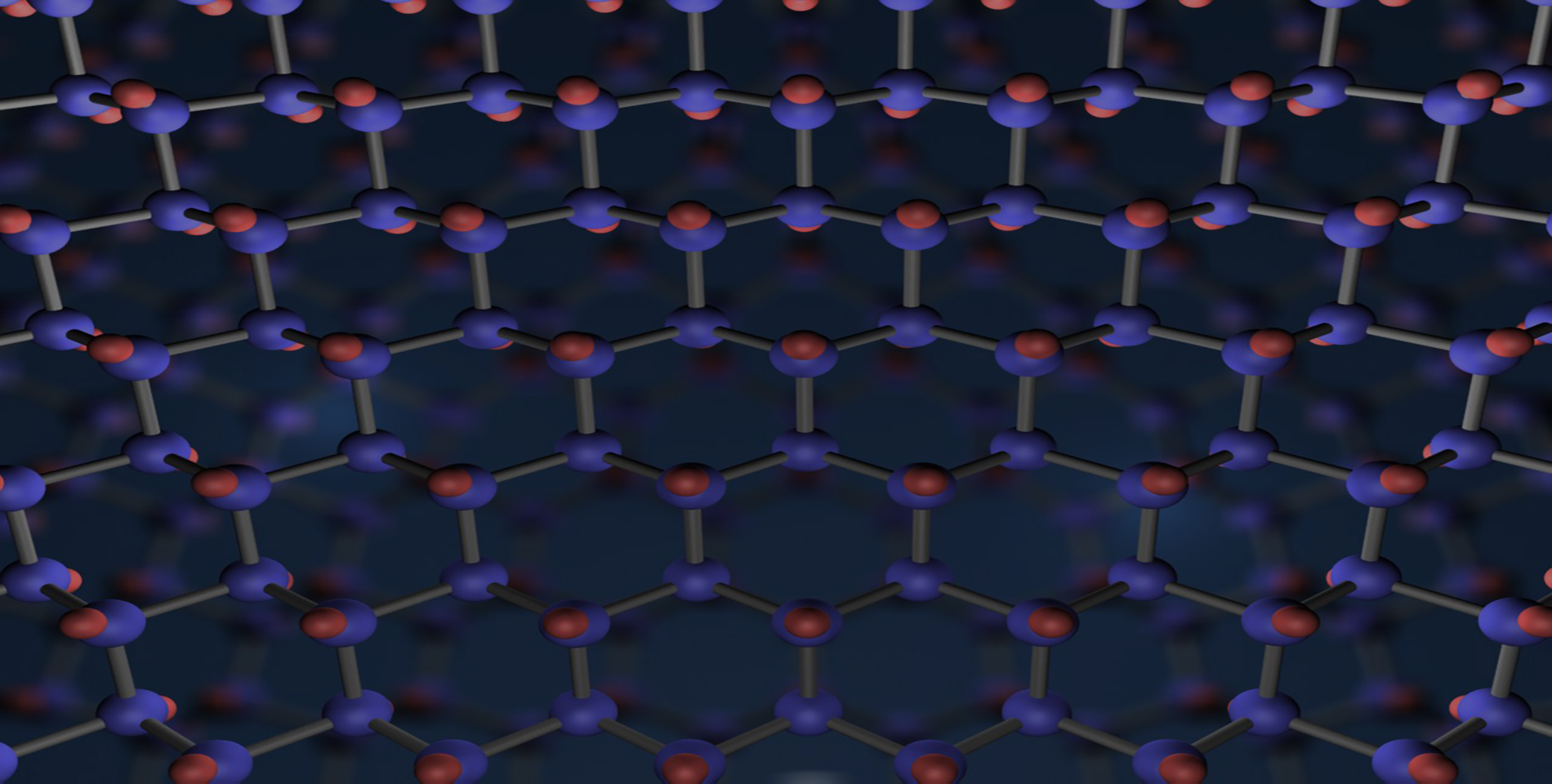
2. Tritiated Graphene Target
Develop large-area, high-radio-purity graphene substrates loaded with tritium at atomic-scale density while maintaining mechanical and chemical stability.
3. Electromagnetic Filter & Spectrometer
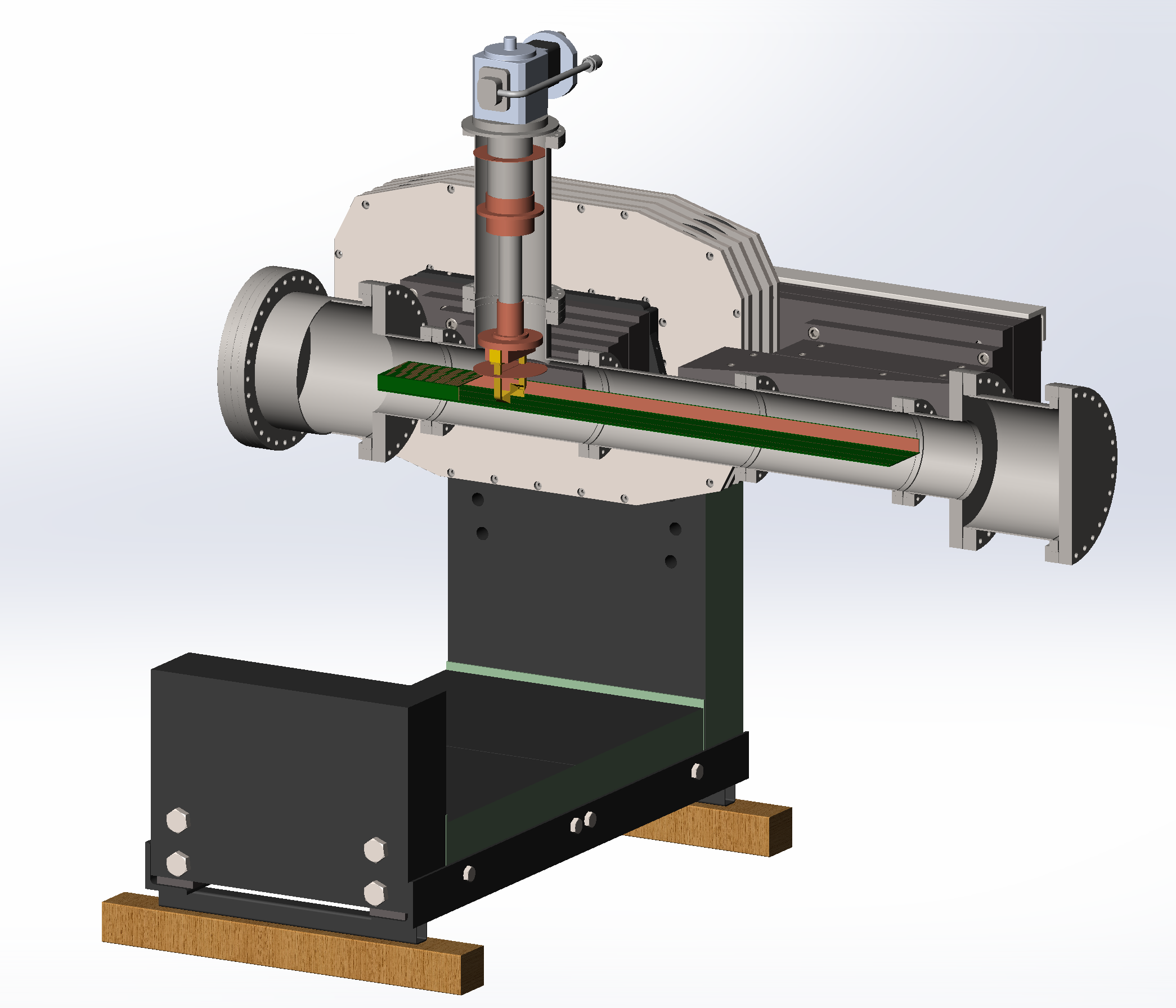
High-precision transverse drift filter with a massive iron-yoke magnet to select endpoint electrons and reject the vast majority of β-decay events.
4. Background Suppression
Radio-frequency tagging of semi-relativistic electrons (a la Project 8) to reach the required signal-to-background ratio for relic neutrino capture.
5. Ultra-high Precision HV
The precision High-Voltage reference for the electrostatic energy difference between the target and the final detector has to be maintained to a part per million.
Current Status & Prototypes
The first full-scale prototype of the magnet and electromagnetic filter system is under construction. Detailed simulations of electron transport, fields, and transmission functions are actively developed and publicly available.
Recent Highlights
2025–2026: Advanced E×B drift studies, ultra-high precision HV systems, and new DFT calculations supporting tritiated graphene targets.
→ Read the APS Physics Viewpoint on PTOLEMY's graphene approach